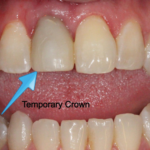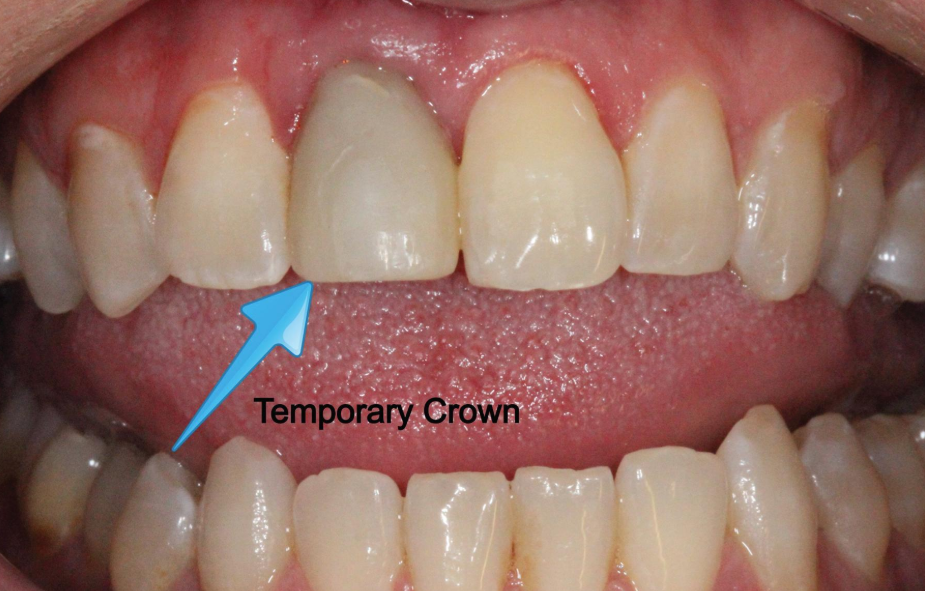
A temporary crown protects a prepared tooth while the permanent restoration is being made. Because temporary crowns are designed for short-term use, they may not have the same strength or long-term retention as a permanent crown. Taking a few precautions can help reduce the chance of the temporary crown becoming loose before your next dental visit.
Be Careful With Sticky Foods
Sticky foods are one of the main things to avoid while wearing a temporary crown. Caramel, taffy, chewing gum, and other chewy foods may pull against the restoration when you bite or chew.
Hard foods may also put unnecessary pressure on the temporary crown. Ice, hard nuts, popcorn kernels, and similar foods may contribute to damage or dislodgement.
Instead, choose softer foods when possible, particularly during the first few days after placement.
Chew on the Opposite Side
If possible, use the side of your mouth that does not have the temporary crown when eating. This may reduce the amount of force placed directly on the restoration.
Cutting food into smaller pieces can also make chewing easier. Avoid biting directly into particularly hard foods with the crowned tooth.
These simple habits may be especially useful while you are waiting for your permanent crown to be placed.
Maintain Your Oral Hygiene
A temporary crown still requires regular cleaning. Brush gently around the crowned tooth with a soft toothbrush and fluoride toothpaste. Cleaning the area helps remove plaque around the crown and nearby gum tissue.
Flossing also remains important. However, take care when removing floss around a temporary crown. Rather than pulling the floss upward forcefully, your dental team may recommend sliding it gently out from the side. Your dentist can show you the appropriate technique for your specific restoration.
Avoid Using Your Teeth as Tools
Using your teeth to open packaging, tear plastic, hold objects, or perform similar tasks can place unnecessary stress on a temporary crown. These habits may also damage natural teeth.
Try to keep non-food objects away from your teeth, particularly while wearing a temporary restoration.
Pay Attention to How the Crown Feels
A temporary crown should be monitored for changes. If it feels loose, shifts when you bite, develops a sharp edge, or falls out, contact your dental office.
If the crown comes off completely, keep it safe and bring it with you to the dental appointment. Do not use household glue or other non-dental adhesives to attach it. A dental professional can determine whether the temporary crown can be repositioned or whether another temporary restoration is needed.
If you need a dentist in Tavistock, explain what happened when contacting the dental office so the team can determine how quickly you should be assessed.
Know When to Seek Urgent Care
A loose temporary crown may require prompt dental attention, particularly if the exposed tooth is painful or sensitive. Significant pain, swelling, bleeding, or an injury involving the tooth may require more immediate assessment.
If a temporary crown falls out outside regular office hours and you experience significant symptoms, contacting an emergency dentist in Tavistock may help you determine the appropriate next step.
Do not ignore a restoration that repeatedly becomes loose. The underlying tooth may need to be examined to identify factors affecting the fit or stability.
Follow Your Dentist’s Specific Instructions
Every temporary crown and prepared tooth is different. Your dentist may provide specific instructions based on the location of the tooth, the condition of the underlying structure, and the planned permanent restoration.
Following those instructions, attending the scheduled appointment, and maintaining daily oral hygiene may help keep the temporary crown in place until the permanent restoration is ready.
Keep Your Temporary Crown Protected With Tavistock Family Dentistry!
If your temporary crown feels loose or has fallen out, Tavistock Family Dentistry can assess the restoration and discuss the appropriate next step based on your dental needs. Timely attention may help protect the prepared tooth while you wait for your permanent crown.