Many people have dental insurance benefits remaining toward the end of the year but are unsure how to use them. If you experience teeth grinding or clenching during sleep, a custom nightguard may be worth discussing with your dentist. Depending on your insurance policy, the remaining benefits may help cover some of the cost.
However, coverage is not automatic. Understanding how dental insurance works, what a custom nightguard involves, and when to submit a claim can help you make an informed decision.
Can Remaining Dental Benefits Cover a Custom Nightguard?
Yes, unused dental benefits may be applied to a custom nightguard if your insurance plan includes coverage for this type of dental appliance. Some extended dental plans cover nightguards under occlusal appliances, major dental services, or another designated category.
Your remaining annual maximum is important, but it does not guarantee reimbursement. The insurer may also consider the percentage covered, deductible, frequency limits, and any exclusions in your policy.
For example, if your plan covers a portion of the cost of an eligible nightguard and you have enough benefits remaining, your insurance may pay part of the expense. You would generally be responsible for the remaining balance.
Why Consider a Custom Nightguard?
Teeth grinding, also known as bruxism, can happen without you realizing it. Some people clench their jaws or grind their teeth while sleeping, which may gradually contribute to tooth wear, sensitivity, jaw discomfort, and headaches.
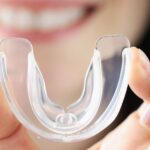
A custom nightguard is made to fit your teeth using impressions or digital scans. Unlike generic store-bought guards, it is designed around your individual bite.
Wearing a properly fitted nightguard may help reduce direct contact between the upper and lower teeth during grinding. It may also help protect existing dental restorations from excessive pressure.
A dentist will assess your teeth, jaw, and symptoms before recommending an appliance. If you are visiting a dentist in Tavistock, discussing nighttime clenching during your examination can help determine whether a nightguard is appropriate.
What Should You Check Before Using Your Benefits?
Before arranging treatment, review your insurance policy or contact your provider. Ask whether custom nightguards are covered and which benefit category applies.
It is also useful to confirm:
- Remaining annual coverage: Find out how much of your yearly maximum is still available.
- Coverage percentage: Check whether the insurer pays the full eligible amount or only a portion.
- Frequency restrictions: Some plans limit how often an appliance can be replaced.
- Pre-approval requirements: Ask whether your insurer needs a treatment estimate or supporting documentation.
You can also request a predetermination through your dental office. This allows the insurance company to estimate its contribution before treatment begins. Keep in mind that an estimate is not always a guarantee of final payment.
Do Unused Benefits Carry Over?
Most dental insurance plans operate on an annual benefit cycle. Depending on your policy, unused coverage may expire at the end of the benefit year rather than roll over. Some plans follow different renewal dates, so check your individual terms.
Using available coverage for a recommended nightguard may help manage treatment costs. However, the decision to receive dental care should depend on your oral health needs, not simply on the desire to use remaining benefits.
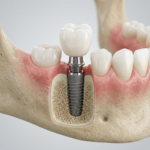
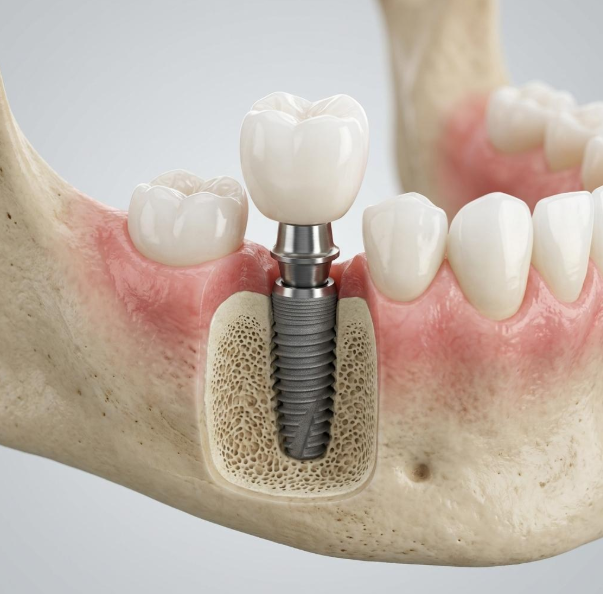
Whether you are considering a nightguard or discussing other treatments, such as dental implants in Tavistock, ask your dental team to explain the clinical recommendations and estimated costs before proceeding.
Protect Your Teeth with Tavistock Family Dentistry!
Concerned about nighttime teeth grinding or wondering whether your remaining dental benefits could cover a custom nightguard? At Tavistock Family Dentistry, we can help you understand your treatment options and discuss insurance estimates before proceeding. Contact our team to arrange an appointment and take the next step towards protecting your teeth.