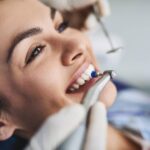
Teeth grinding, or bruxism is more than just an annoying habit. If left untreated, it can lead to serious dental issues. Many people are unaware they grind their teeth until they notice symptoms or receive feedback from a partner. To help you understand this dental condition, we’ve listed the symptoms and the impact of teeth grinding treatments here!
What Is Teeth Grinding?
Teeth grinding is characterized by clenching or grinding of teeth, often occurring unconsciously during sleep. While some individuals experience it occasionally, others grind their teeth consistently, leading to dental complications. Understanding its implications is the first step in combating this issue.
Common Symptoms of Bruxism
Recognizing the symptoms of teeth grinding can help you seek treatment early. Symptoms include:
- Dental damage: Worn enamel, increased sensitivity, or broken teeth.
- Jaw pain: Discomfort or soreness in the jaw muscles.
- Headaches: Frequent headaches or migraines, especially upon waking.
- Sleep disturbances: Interrupted sleep due to the grinding.
If you notice any of these symptoms, it might be time to consult a dentist for an evaluation.
The Impact of Teeth Grinding: Before and After
Before Treatment
Before seeking treatment, the consequences of teeth grinding can be severe.
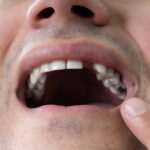
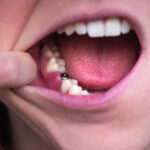
- Tooth Wear: Over time, excessive grinding can wear down teeth, leading to sensitivity and the need for restorative dental work.
- Jaw Discomfort: Chronic grinding often results in pain and discomfort in the jaw, affecting daily activities.
- Emotional Strain: The discomfort can lead to anxiety and disrupted sleep patterns.
After Treatment
The positive changes after treatment can be profound:
- Healthy Teeth: With the right interventions, patients can prevent further damage and enjoy restored dental health.
- Pain Relief: Many report a significant decrease in jaw pain and headaches after addressing bruxism.
- Better Quality of Life: Improved sleep and reduced anxiety can enhance overall well-being.
Treatment Options for Teeth Grinding
If you suspect you’re grinding your teeth, it’s crucial to consult a dentist. Possible treatment options include:
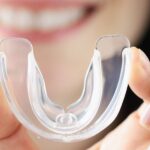
- Custom Mouthguards: These protective devices are designed to fit your mouth and prevent teeth from grinding while you sleep.
- Dental Corrections: Orthodontic treatments may be necessary to align teeth properly and reduce grinding.
- Stress Management Techniques: Therapy or relaxation techniques can help reduce anxiety.
Teeth grinding can significantly impact your dental health and overall well-being. If you’re in Tavistock and experiencing symptoms, it’s important to look for a “dentist near me in Tavistock.” To make it easier, Tavistock Family Dentistry is here to help! Our team of dentists in Tavistock is ready to assist you with teeth grinding issues and help restore your smile. Schedule your appointment today!